READING THE ROOM
What Designers Really Notice When They Walk Into Your Home
One of the questions I get asked all the time is:
“When you walk into someone’s home, what do you notice first?”
And usually right after that comes the second question:
“Are you judging everyone?”
It’s a fair question—and one that tends to come up at parties once people find out what I do for a living.
The truth is, designers aren’t walking into a room mentally critiquing every pillow or silently rearranging someone’s furniture in quite the way people imagine.
What we’re actually noticing first has very little to do with style.
We’re noticing the bones of the space, the invisible structure that shapes how a room feels.
Before we ever register a sofa style or a paint color, we’re reading the room in a much more intuitive way.
Light
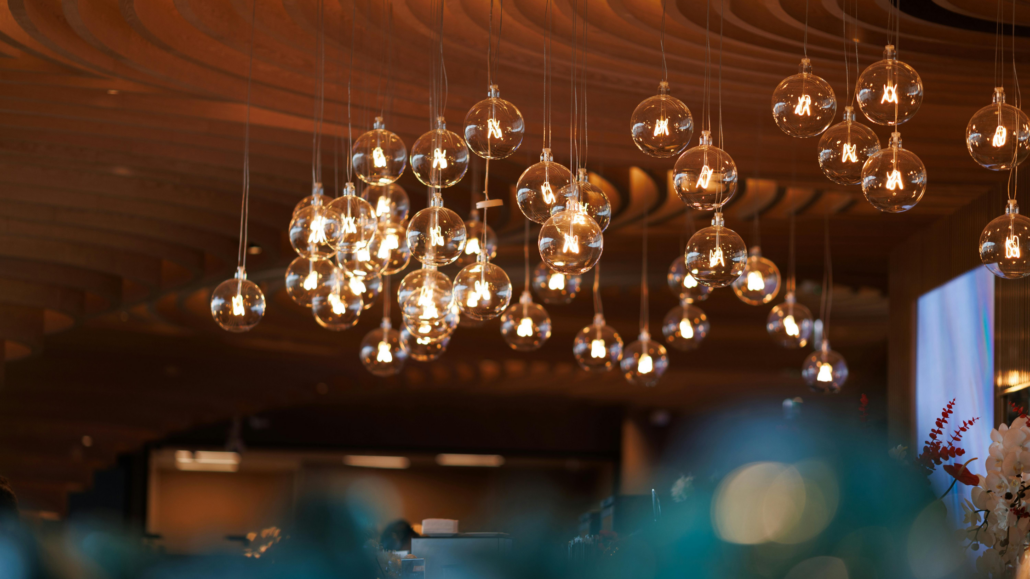
The first thing I usually notice when I walk into a room is the light.
Where does it come from? How does it move through the space? Is it soft and natural, or harsh and directional?
Light sets the emotional tone of a room before anything else has a chance to speak.
A beautifully designed space with poor lighting will always feel a little off, while even a simple room with beautiful natural light can feel inviting and calm. Designers pay close attention to light because it shapes everything—from how colors appear to how comfortable a room feels throughout the day.
Flow
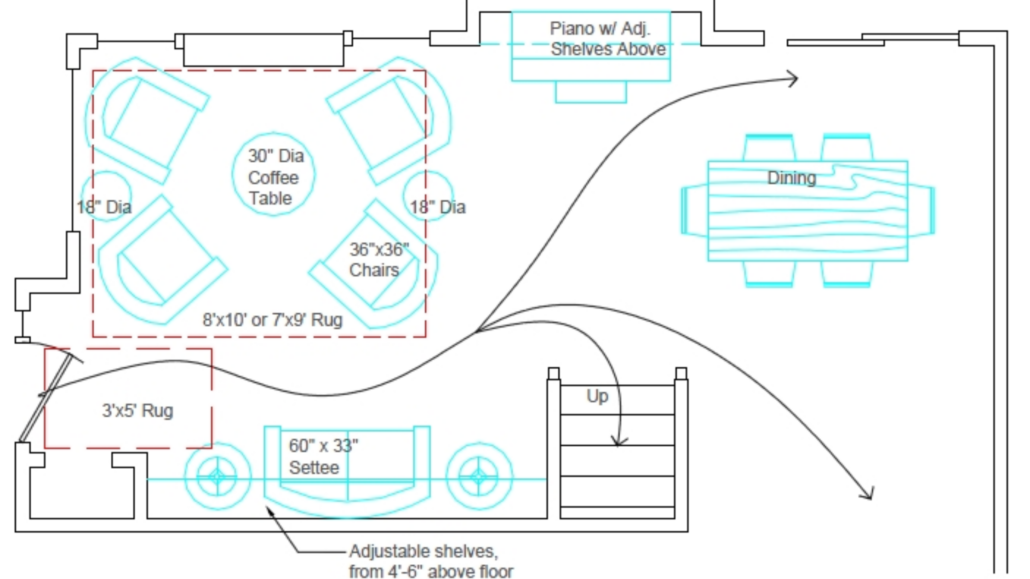
Next, I notice how the room moves.
Every space has a natural flow to it. When the layout supports that flow, the room feels effortless to move through. When it doesn’t, you feel it immediately—even if you can’t quite explain why.
Furniture that blocks pathways, seating that doesn’t invite conversation, or rooms that feel disconnected from each other can subtly interrupt the way we experience a space.
Good design supports the natural movement of daily life.
Balance
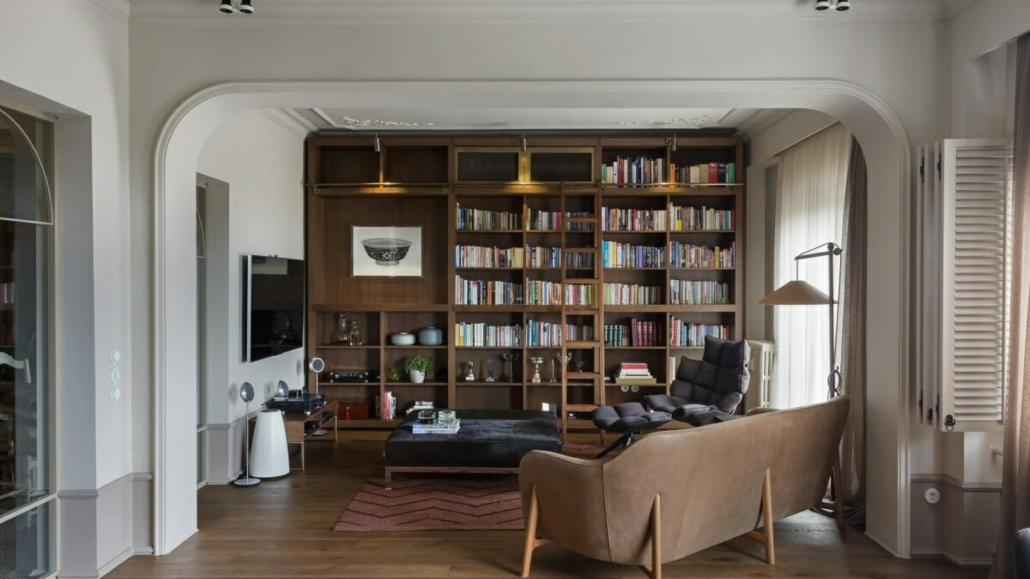
Another thing designers instinctively notice is balance.
This isn’t about everything being perfectly symmetrical. It’s about how visual weight is distributed throughout a room. If all the furniture is clustered on one side, or if one wall carries too much visual attention, the room can feel slightly uneasy without anyone realizing why.
When balance is right, a space feels calm and grounded.
Proportion
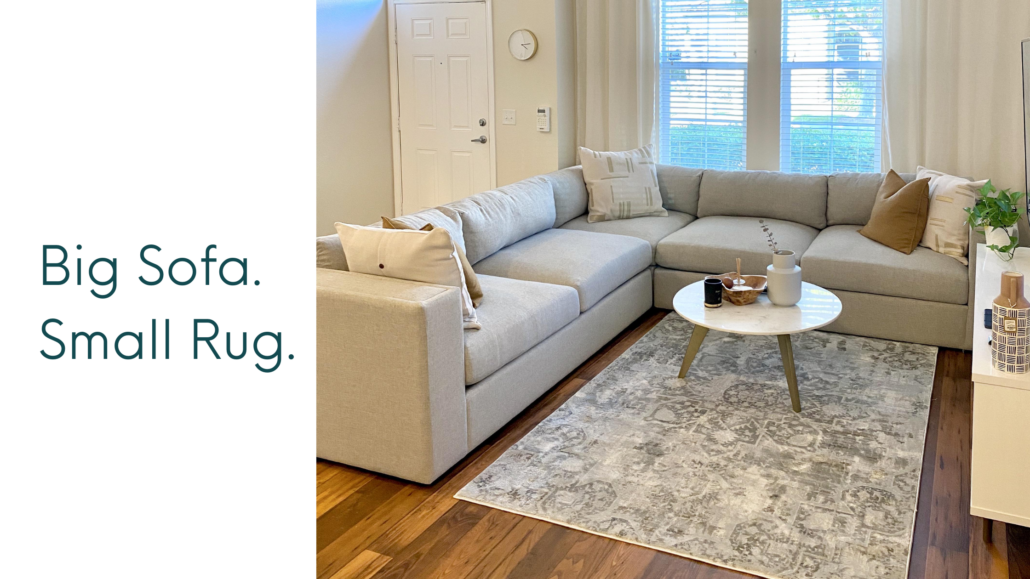
Proportion is one of the quiet details that makes a room feel finished…or unfinished.
Designers often notice things like rugs that are just a little too small, artwork hung higher than it should be, or furniture that overwhelms the room or feels undersized. These aren’t mistakes people make intentionally. They’re simply details that take time and experience to see clearly.
And once you start noticing proportion, it’s hard to unsee it.
The Energy of the Room
Finally—and perhaps most interestingly—designers notice the energy of a space.
Some rooms feel welcoming and relaxed the moment you walk in. Others feel slightly tense, cluttered, or unfinished. Often that feeling is hard to pin on any single thing. It might be a sofa angled slightly away from the rest of the seating, or a TV mounted where there’s no natural place to land. Small misalignments that, on their own, wouldn’t matter,but together leave the room feeling like it hasn’t quite found its footing.
When design is working well, the room feels effortless. You don’t think about it. You just feel at ease.
So… Are Designers Judging Your Home?
The honest answer? Sometimes, yes.

But probably not in the way you think.
Most of the time we’re not judging someone’s style choices or whether we personally would have picked that sofa or paint color. We’re usually noticing things like… why is the sofa blocking the doorway? Why is the rug floating in the middle of the room like an island?
Years ago, I was at a cocktail party at someone’s home and the host asked my opinion about the furniture layout in her living room. After a couple of glasses of champagne—because that’s usually when these conversations happen,I grabbed a napkin and sketched out a different arrangement that I thought would improve the flow.
The host did not take this well.
She seemed genuinely offended, and I quickly realized I had stepped into territory I probably should have avoided at a cocktail party. I apologized and said, “Oh goodness, I’m so sorry,I thought you were asking my opinion.”
(To be fair, that is something I usually charge for.)
Fast forward to the next party at that same house.
The furniture had been completely rearranged… exactly the way I had drawn it on the napkin. And I overheard the host proudly telling another guest how she had come up with this terrific new layout and how much better the room flowed now that everyone could gather and move through the space so easily.
She never once mentioned the napkin.
And honestly? It made me laugh.
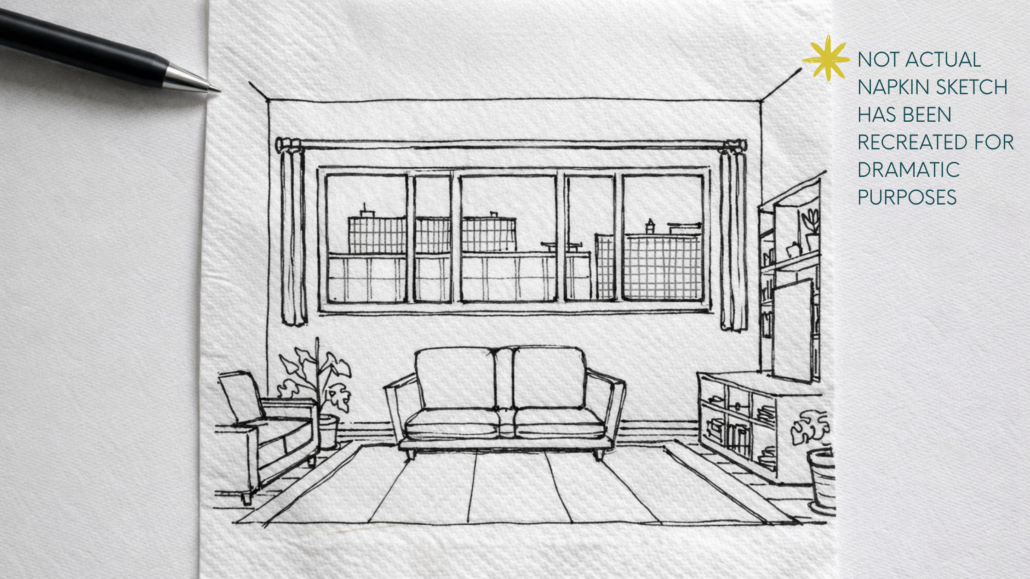
I didn’t need the credit. But the story has always stayed with me, not because of the napkin, but because of what it illustrates.
The furniture was the same. The room was the same. Nothing had been replaced or renovated or reimagined from scratch. The only thing that changed was how someone with a trained eye looked at it.
That’s what designers are really doing when we walk into a space. We’re not cataloguing your taste or quietly redecorating in our heads. We’re reading the room: the light, the flow, the balance, the proportion, the energy and seeing the version of it that it’s trying to become.
Most people can feel when a room isn’t quite working. A trained eye can tell you exactly why and exactly what to do about it.