LET’S GET REAL
Who Are You Actually Designing For?

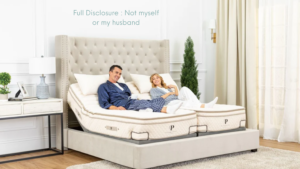
Let me tell you about my bed.
My friends are a little tired of hearing about it. But I can’t help myself, so now you get to hear about it too.
For years I had been specifying adjustable beds for clients — seen firsthand what they do for a bedroom, for sleep, for the quality of someone’s daily life. And for years I had been reading in bed propped up on an elaborate mountain of pillows, quietly failing to do the thing designers sometimes forget to do.
Design for myself.
When I brought it up to my husband, the response was… not enthusiastic. An adjustable bed? Absolutely not. That’s a hospital bed. We’re not old. We don’t need that. The man had feelings about this.

I made my case. The reading. The comfort. The fact that he snores and elevating his head would help with that — a point I may have mentioned more than once. But honestly? My husband knows me well. He knows that comfort isn’t just something I value — it is, in his words, my entire thing. He calls me the Queen of Comfort. And somewhere in that argument he realized he wasn’t going to win this one, so he did the smart thing and folded gracefully.
That adjustable bed is now, without question, the most beloved piece of furniture in our home. We call it the Robot Bed. The man who was absolutely not getting a hospital bed now refers to it with genuine affection. It changed the way we sleep, the way we unwind, the way we end every single day.
And it got me thinking about how often we resist the things that would actually make our homes work better — and why.
The Rooms We Design for Everyone but Ourselves
So much of what we build into a home, we build for someone who isn’t there most of the time.
The formal living room that sits perfectly arranged and completely unused because it’s “for guests.” The dining room built to seat twelve because of one big holiday a year. The guest bedroom that takes up valuable square footage for the twice-annual visitor while the people who live in the house have nowhere to put anything.
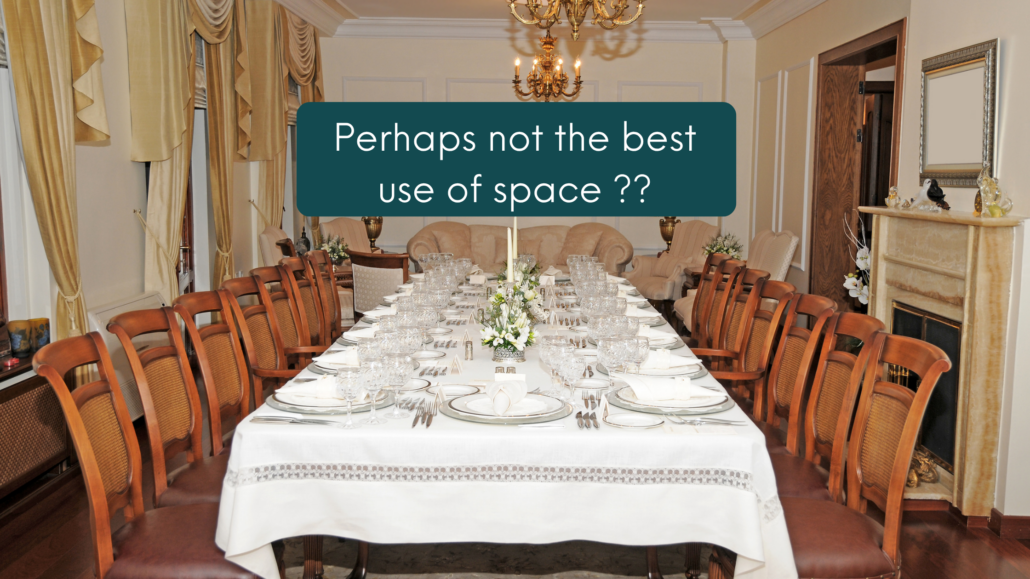
I had a client — a lovely family of six — who were convinced they needed their dining room to seat at least ten to twelve people, with room for extra tables at the holidays. Thanksgiving. Christmas. The big occasions.
But you don’t have to design your everyday around your exceptions. So instead of building a room for the two days it needed to stretch, we solved for those two days a different way. We went with a gorgeous extendable table and a set of chic folding chairs stored in the garage for when the crowd shows up.
Everyone was fed at Thanksgiving. And the room finally felt like theirs.
That’s the math I’m interested in.
Comfort Is Not a Luxury. It’s the Point.
There’s a persistent idea that designing for comfort — your comfort, your family’s comfort, the actual humans living in the house — is somehow indulgent. That the “right” way to design is for appearances, for occasions, for the version of your life that looks best from the outside.
I’d like to respectfully challenge that.
Your home is where you decompress after a hard day. Where your kids do homework and your family eats dinner and you read before bed and you wake up in the morning and do it all again. It is the backdrop to your entire life. It should feel good to be there — not just look good for the people passing through.
Comfort is not the opposite of beautiful design. In fact, a room that looks stunning but feels uncomfortable is, in my professional opinion, a room that isn’t finished.

What Comfort Actually Means
Comfort in design isn’t just about a soft sofa — though a genuinely good sofa will absolutely change your life and I will die on that hill.
It’s about a room that supports what you actually do in it. Lighting that works for the way you use the space — not just overhead fixtures that flatten everything at dinner. Seating arrangements that invite conversation rather than performing it. A bedroom that helps you sleep, rest, and recharge rather than one that photographs beautifully but leaves you stacking pillows at ten o’clock at night.
It’s asking: what does this room need to do for the people inside it? And then designing backward from that answer.

Design the Life You’re Actually Living
Here’s what I want you to take away from this: you have permission to design for yourself.
Not for the guests who visit twice a year. Not for the holidays. Not for the version of your life that exists only in your imagination or on someone’s Pinterest board.
For the Tuesday night in March when you just need the room to feel good. For the Sunday morning that belongs entirely to you. For the everyday moments that make up the vast majority of your actual life.
My husband resisted the Robot Bed because it didn’t fit the idea of what a bed was supposed to look like. What we got instead was the piece of furniture we love most in our home — the one we talk about, the one that genuinely changed the quality of our nights.
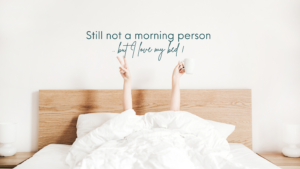
That’s what happens when you stop designing for the idea of your life and start designing for the reality of it.
Let’s Get Real is an ongoing series about designing homes for the way people actually live — honest, practical, and occasionally a little spicy.